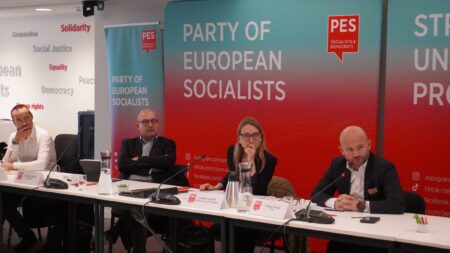
The PES Financial and Economic Network (FEN) met to discuss key challenges facing Europe’s economy, with a focus on fair taxation, competition policy and the future of the European banking sector. In the face of the cost-of-living crisis, the central issue is how Europe can strengthen its economic resilience while ensuring that economic policy delivers for the people.
FEN Chair and Co-President of Place Publique Aurore Lalucq said:
“Taxing windfall profits is a matter of social justice, solidarity, and safeguarding our economy. When households are making extraordinary sacrifices to cope with the cost-of-living crisis and high energy bills, it is unfair that companies should be able to take advantage of the situation to generate extraordinary profits with no link to their productivity, investment, or innovation. Part of these gains must be returned to society.
Fairness also means competition that works for people. We fully support Executive Vice-President Teresa Ribera in her work to modernise merger control: Europe needs companies that are productive and innovative. Greater scale must always translate into genuine benefits for consumers, workers, and the green transition.
The same goes for banking. We must complete the Banking Union, reducing cross-border barriers, delivering an ambitious Single Deposit Insurance Mechanism (SDIM) and allowing our banks to scale, without weakening the prudential rules that protect households, savers and the financial stability of our continent. These rules are the foundation of a sound and resilient banking sector.”
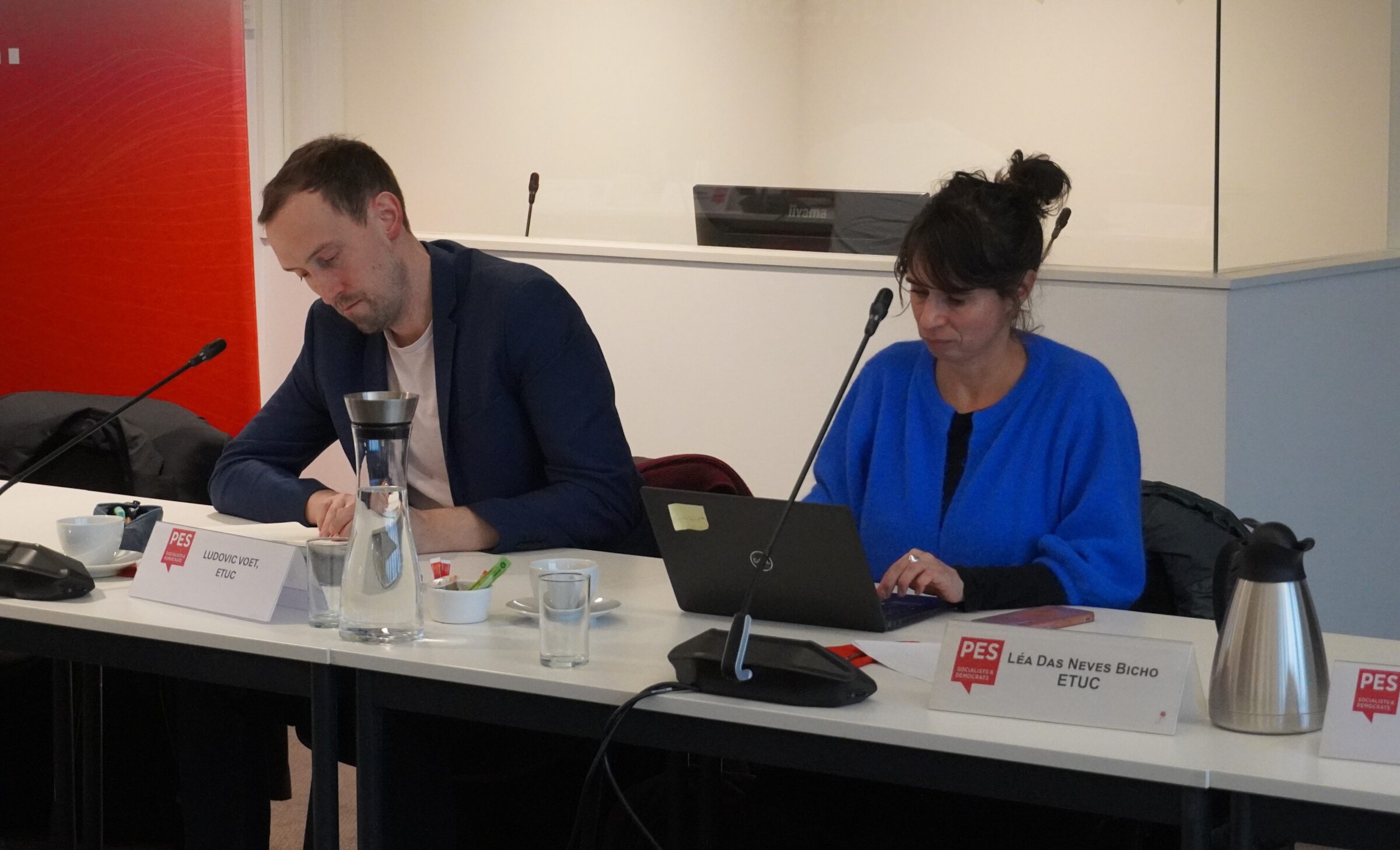
The FEN first discussed Windfall profit taxation and the case for an EU-wide contribution instrument with Anette Wagner, Head of the Tax Directorate at the Federal Ministry of Finance of Germany.With households and businesses continuing to face high energy costs, participants stated that excess profits generated during a crisis must be given back to society. The Network called on the European Commission to come forward with a proposal for an EU-level framework. Several EU member states have already introduced national instruments, while the 2022 Solidarity Contribution, despite its shortcomings, demonstrated that coordinated action at European level is both possible and necessary.
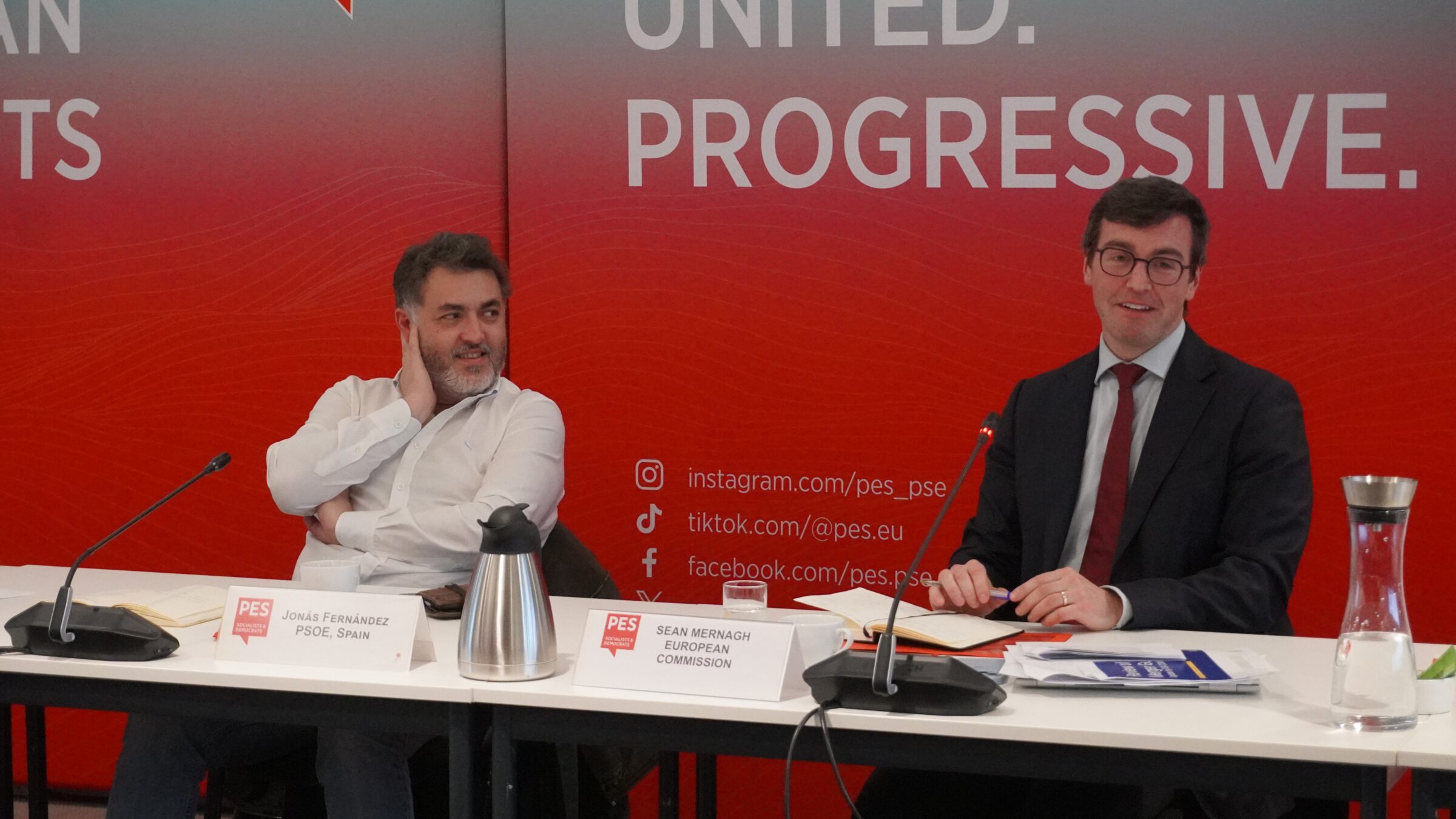
On competition, the FEN discussed the European Commission’s review of the EU Merger Guidelines with Sean Mernagh, Member of the Cabinet of Executive Vice-President Teresa Ribera, who provided an update on the Commission’s work. The proposed new approach aims to modernise merger control by taking greater account of the impact of mergers on competition over time, including their effects on innovation, investment, sustainability, resilience and market entry. Participants stressed the importance of supporting productive and innovative European companies, while ensuring that greater scale translates into genuine benefits for consumers.
On banking, joined by MEP Jonás Fernández, S&D ECON Coordinator, the Network addressed the upcoming legislative package on the competitiveness of the European banking sector, expected in the first quarter of 2027. Participants emphasised that completing the Banking Union must be at the heart of the political agenda and converged on a clear action plan: promoting greater integration of the European banking sector, finally completing the banking union and safeguarding prudential rules. The FEN expects the package to remove structural barriers to EU integration while preserving the prudential framework that underpins the resilience and soundness of the banking sector and ensures its robustness in an increasingly challenging international context.
The meeting concluded with a presentation by the Foundation for European Progressive Studies (FEPS) on its flagship project “A Prosperity Plan for the EU’s Great Transformation”, highlighting the importance of developing progressive economic solutions for Europe’s future.
The Financial and Economic Network will continue working to shape a European economic agenda that combines fair taxation, investment and productivity, financial stability, and social justice.