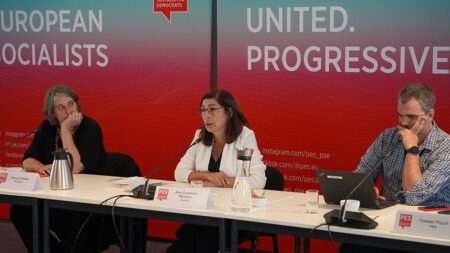
The PES Migration & Integration Network met to discuss the recent situation in Ceuta and the European response to migration emergencies. The unprecedented arrival of large numbers of migrants in such a short period of time, and the tragic death of people among them, put exceptional pressure on Spain and its external border. At the same time, Spain responded very rapidly and effectively and succeeded in bringing the immediate situation under control.
Ceuta is a European challenge, not a Spanish one. When one Member State faces sudden and exceptional pressure at Europe’s external borders, it must be able to rely on the solidarity and political support of the whole European Union. Support cannot depend on political circumstances.
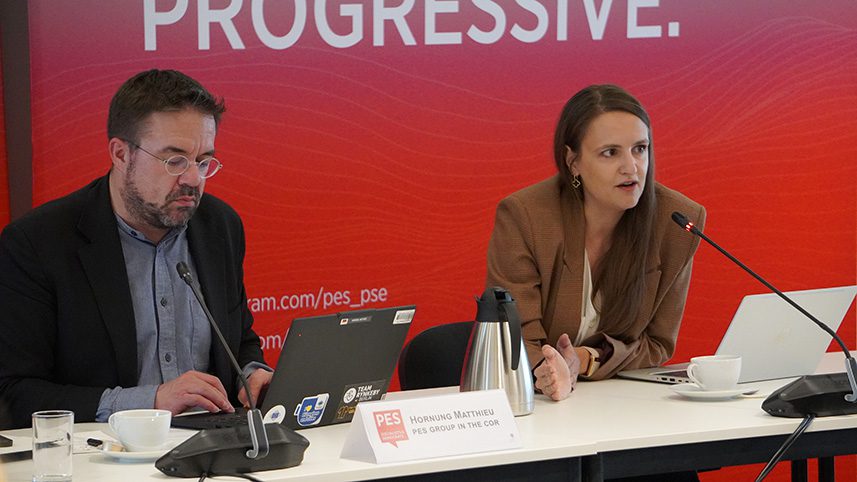
Ana Catarina Mendes, Chair of the PES Migration and Integration Network and Vice-President of the S&D Group in the European Parliament, said:
“Many unaccompanied children are still in Ceuta, let’s not forget them. They need protection, not to be used as pawns. After so many lives were lost, we cannot lose sight of the human cost of what happened. This is what disinformation and human smuggling can lead to.
Europe must show solidarity with Spain and Ceuta. It is not up to Member States alone to manage Europe’s external borders. The EU has to mobilise practical and political support quickly when migration pressure suddenly rises. With the Pact on Migration and Asylum now in force, Europe must turn its commitments into effective solidarity on the ground.“
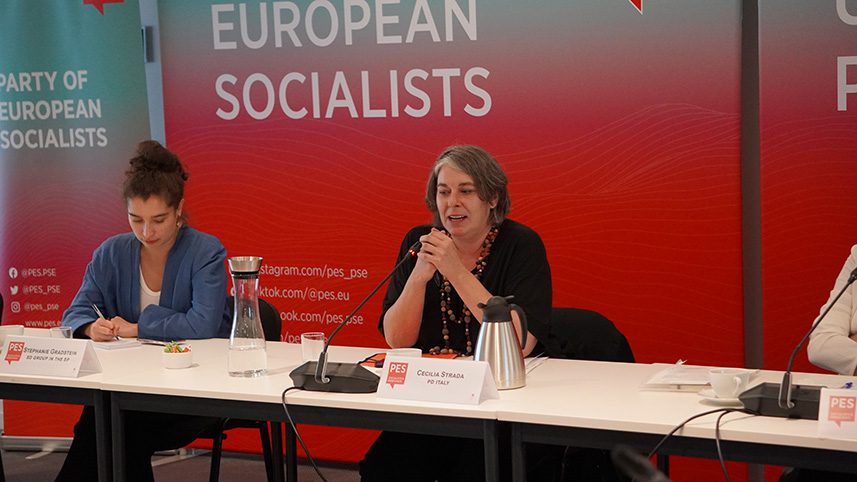
At the same time, the response to Ceuta cannot be reduced to stronger borders and deterrence. Managing migration effectively and protecting fundamental rights must go hand in hand. The tragic loss of life at Europe’s borders is a reminder that European migration policy must always remain rooted in human rights and dignity.
The situation underlines the importance of cooperation with countries of origin and transit. Legal migration routes are not an alternative to managing irregular migration; they are an essential part of a coherent, functioning, and responsible migration policy.
The Ceuta crisis also showed how deadly the spread of misinformation can be. Europe needs to be better prepared to counter disinformation in situations where false information can put lives at risk. This tragic event demonstrated the importance of rapid, accurate and coordinated communication.
Europe must show that it can protect its values and borders. The lesson from Ceuta should be clear: if we lose sight of our values, the European project as a whole stops existing. We must defend human rights and people’s dignity, as stated in Article 2 of the TUE, manage our external borders together, support frontline Member States, strengthen cooperation with countries of origin and transit, counter disinformation and provide safe and credible legal pathways.