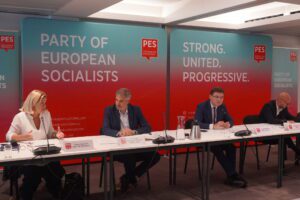
Last week, the PES Financial and Economic Network (FEN) met in Brussels for a discussion focused entirely on resources, the investment gap and the central role of public investment, also in mobilising private capital.
The meeting began with an initial discussion of the European Commission’s proposals for the Multiannual Financial Framework (MFF), with opening remarks from Giuseppe Lupo, MEP, Vice-Chair of the European Parliament’s Budget Committee. This was followed by a session on the Clean Industrial Deal State Aid Framework (CISAF) and other measures to support EU- Made clean manufacturing, which was introduced by Gaby Bischoff, Chair of the PES Social Europe Network, MEP, Vice-President of the S&D Group and responsible for the sustainable economy, social Europe (including relations with trade unions), and the Single Market, and by Anna Vernet, Policy Coordinator for the Competition Cluster in the Cabinet of Executive Vice-President Teresa Ribera. The meeting concluded with a debate on how to establish the Savings and Investment Union (SIU), led by Aurore Lalucq, MEP, Chair of the ECON Committee and the European Parliament’s Rapporteur on the matter. The discussion covered the Commission’s latest proposals on securitisation.
FEPS President Maria João Rodrigues, who chaired the meeting, stated:
”Yesterday, the European Commission presented its first package on the next MFF. The dust is far from settled, and it is clear that we are entering a long and complex negotiation phase. Across our political family, serious concerns are being raised, and we intend to place these at the centre of the debate. We must defend an ambitious budget that aligns with our goals. The EU budget must deliver for the people, and this is where we will focus our efforts in the upcoming negotiations.
As progressives, we will continue to defend the prerogatives of the European Parliament and assert our priorities clearly. The next MFF must uphold the European Pillar of Social Rights in full, support the Green Deal and EU industries by embracing decarbonisation as a genuine opportunity, and reinforce Cohesion Policy to promote economic, social, and territorial cohesion across the EU. It must also address today’s and tomorrow’s major challenges, ranging from security and defence to the digital and AI revolutions. We simply cannot achieve more with less.”
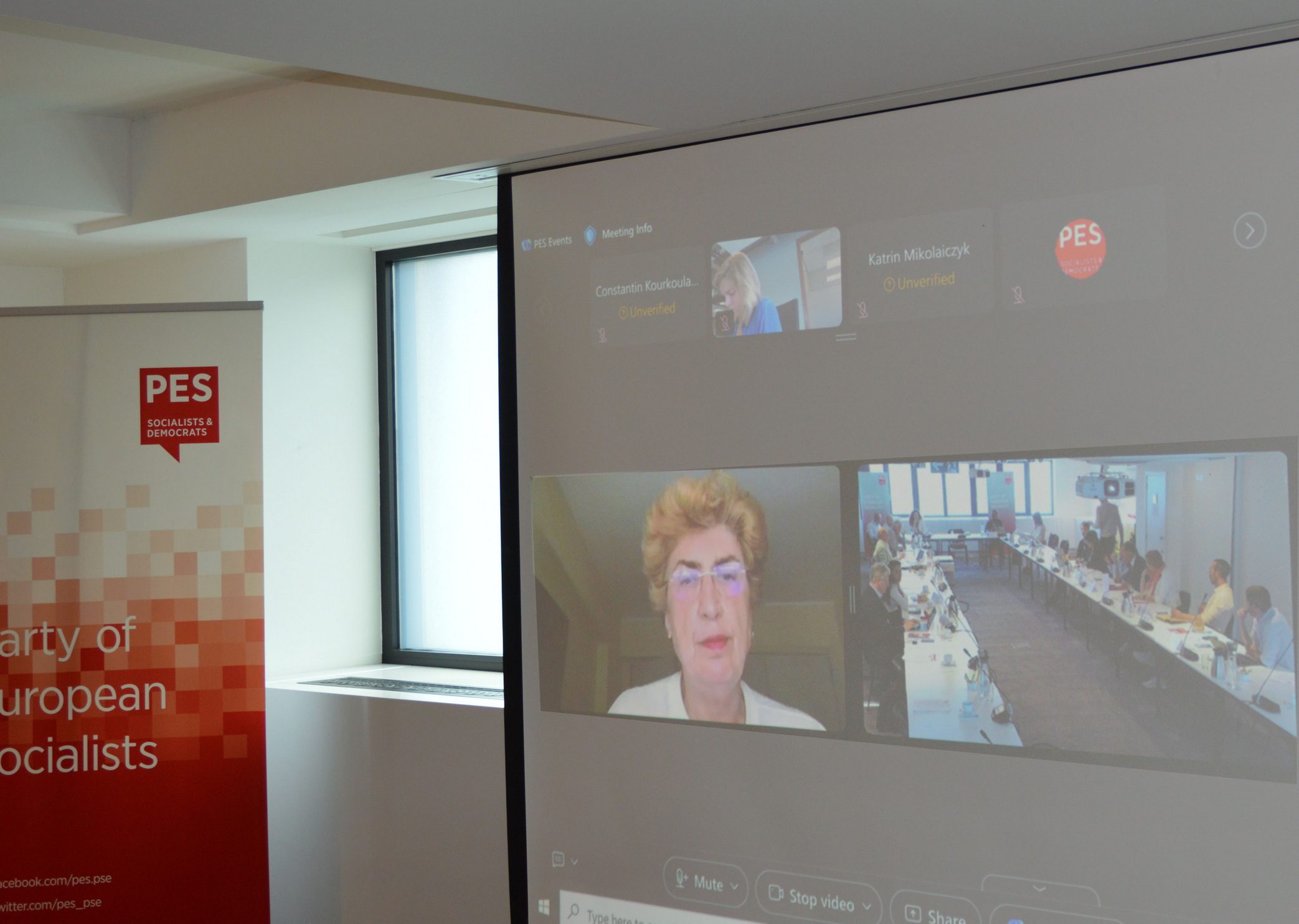
Participants expressed clear concern and rejection regarding several aspects of the Commission’s proposals, particularly the shift towards single national envelopes and the merging of EU funds for agriculture, fisheries, cohesion and social policy.
At the same time, the network recognizes the positive elements in the package, such as the emphasis on housing, the stronger obligations for Member States to allocate funds towards social and green objectives, the introduction of a permanent instrument to respond to crises and the progress made on new own resources. The PES family has been demanding and fighting for these for a long time, with the S&D Group in the European Parliament playing a leading role in advancing this agenda.
The network then turned its attention to the CISAF and broader measures to promote clean manufacturing across the EU. Participants welcomed the overhaul of state aid by Executive Vice-President Teresa Ribera, emphasising the importance of ensuring state aid effectively supports key public objectives, such as decarbonisation, while preserving a level playing field within the single market.
There was also a strong call for greater support for industries under severe pressure; this must include social conditionalities to ensure decent working conditions and strengthen collective bargaining rights.
The meeting closed with a discussion on the Savings and Investment Union (SIU) and the Commission’s proposals on securitisation. Building on Enrico Letta’s ideas, establishing the SIU is crucial for channelling savings into productive investments and aligning financial flows with public priorities. FEN expressed caution regarding securitisation, instead favouring alternative instruments to advance Europe’s financial sovereignty. One of the proposals discussed was the creation of a common EU-level safe asset, as set out in Aurore Lalucq’s report.
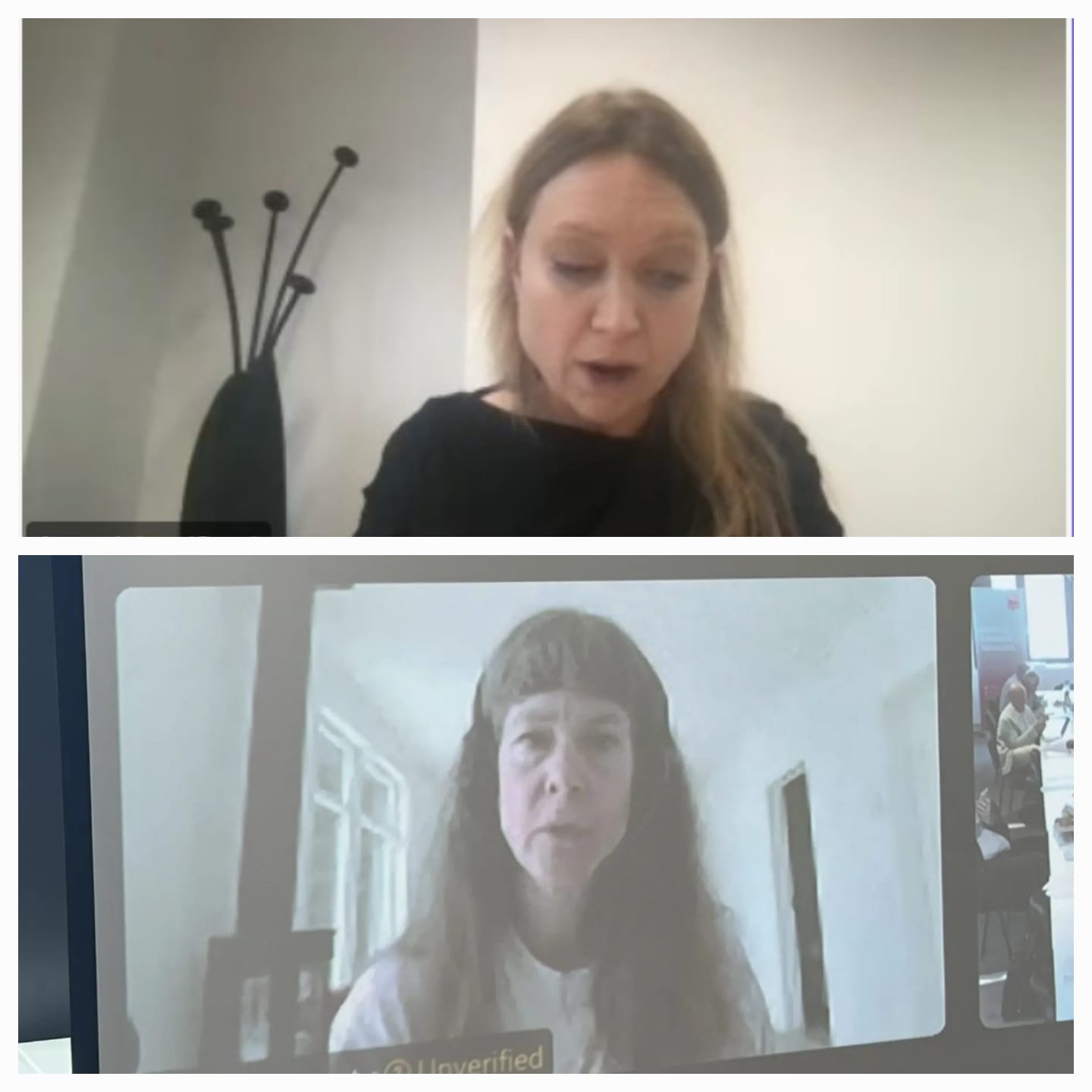
Bottom: Policy Coordinator for the Competition Cluster in the Cabinet of Executive Vice-President Teresa Ribera, Anna Vernet, presenting the CISAF